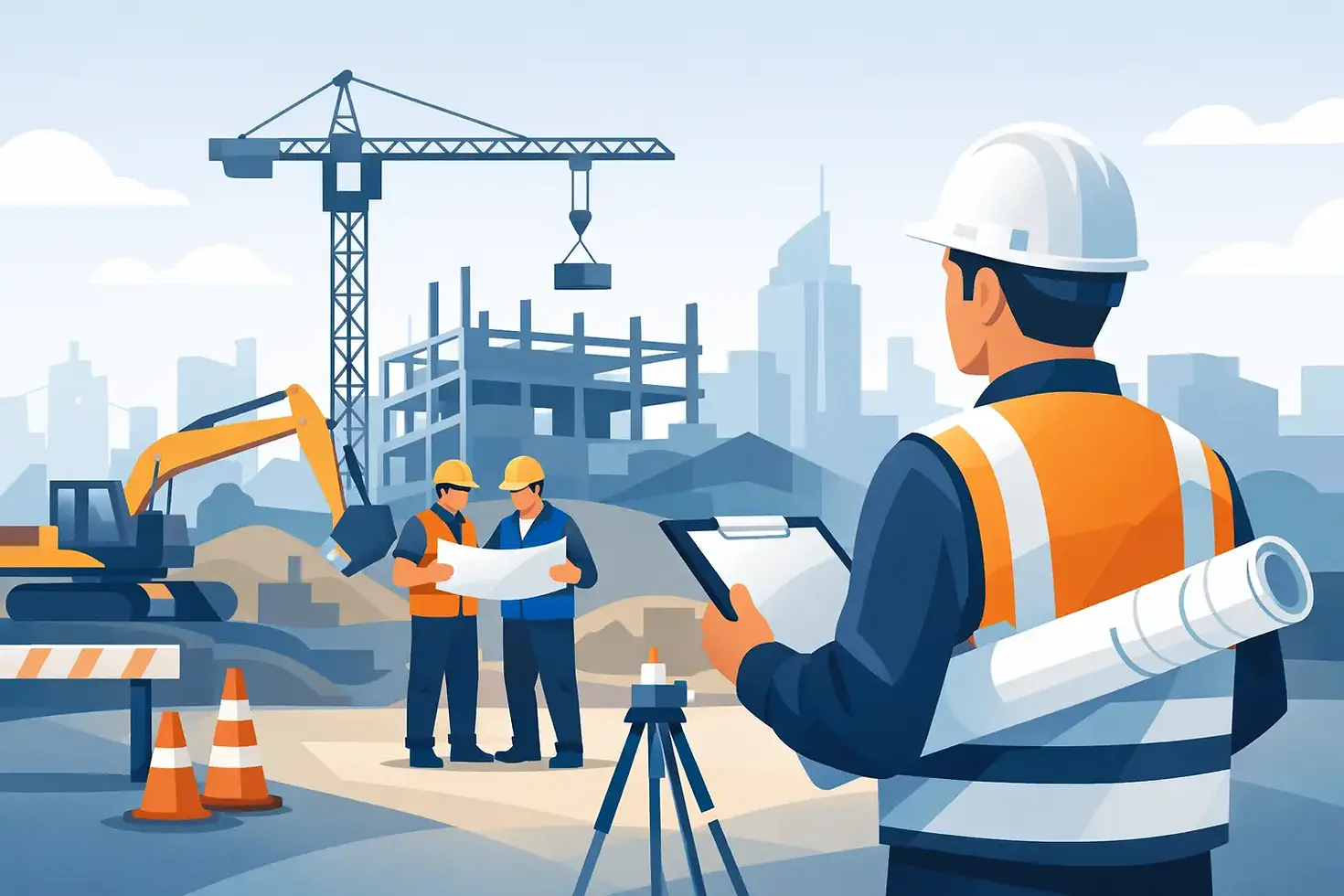
Why Construction Supervision Services Matter

A project can look solid on paper and still run into trouble the moment work begins. Schedules slip, details get missed, subcontractors interpret drawings differently, and small field decisions start affecting cost, quality, and compliance. That is where construction supervision services make a measurable difference. They provide the on-site oversight and coordination needed to keep a project aligned with the design intent, the approved documents, and the owner’s expectations.
For property owners, developers, business operators, and residential clients in New York, supervision is not just another layer of administration. It is a practical way to reduce avoidable risk. The goal is simple - protect quality, support compliance, and keep progress moving with fewer surprises.
What construction supervision services actually do
Construction supervision services bridge the gap between planning and execution. During design and permitting, a project team can define the scope, prepare drawings, and establish technical requirements. Once construction starts, those requirements need to be interpreted correctly in the field, and that does not happen automatically.
Supervision brings experienced oversight to day-to-day construction activity. That includes observing work in progress, reviewing whether construction aligns with drawings and specifications, identifying potential issues early, and communicating with contractors, consultants, and ownership teams. The purpose is not to take over the contractor’s role. It is to create accountability, maintain standards, and support informed decisions as conditions change.
This is especially valuable on projects where multiple trades are working at the same time, where timelines are tight, or where code and regulatory considerations carry real consequences. In those conditions, strong supervision helps the project stay organized and responsive instead of reactive.
Why oversight matters more than many owners expect
Many project problems do not start as major failures. They begin as small inconsistencies that go unchecked. A material substitution may not match the approved intent. Mechanical or structural work may conflict with architectural requirements. Site conditions may require an adjustment that affects downstream trades. If no one is monitoring these developments closely, the cost of correction tends to rise quickly.
Construction supervision services help catch these issues while they are still manageable. That can protect budgets, but it also protects schedule and quality. Rework is expensive. Delays caused by unresolved field questions are expensive. Incomplete coordination between drawings and installed work is expensive. Oversight reduces those risks by keeping communication active and decisions documented.
There is also a compliance dimension. In New York, construction activity often involves layered regulatory requirements, inspection obligations, and documentation standards. A supervised project is typically better positioned to respond to those demands with consistency and clarity. That matters for commercial properties, multifamily buildings, mixed-use developments, and residential improvements alike.
Construction supervision services and project quality
Quality control is one of the clearest reasons to invest in construction supervision services. Owners often assume quality depends only on hiring a good contractor. That is a major factor, but it is not the full picture.
Even capable contractors are managing labor, procurement, sequencing, and subcontractor coordination under real pressure. Supervision adds another level of review focused on whether the work being installed reflects the approved plans and expected standard. It can reveal mismatches between documents and field conditions, verify progress before the next phase begins, and support timely correction when something does not meet requirements.
Quality is also about consistency. A project does not succeed because one area was completed well. It succeeds when the whole project performs as intended. That includes finishes, systems, structure, accessibility, code-related components, and the many details that influence long-term durability. Good supervision keeps attention on the entire build, not just the most visible parts.
Better coordination leads to fewer delays
Construction schedules rarely fail because of one dramatic event. More often, they lose momentum through a series of unresolved issues. One trade cannot proceed because another trade is behind. A field condition raises a question, but no one addresses it quickly. Installed work needs revision before inspections can move forward. Each delay may seem minor on its own, but the cumulative impact can be significant.
Construction supervision services support schedule performance by keeping communication moving between parties. When issues arise, they can be identified, elevated, and resolved with less lag. That does not mean every problem disappears. It means the project is better equipped to respond before a setback turns into a chain reaction.
This is where an integrated architecture and engineering perspective can be especially valuable. When the supervising team understands design intent, technical systems, and practical site execution, it becomes easier to evaluate proposed changes and guide the project toward workable solutions. That kind of coordination is central to how firms like Innation Engineering & Architecture support projects from concept through construction.
The financial value of supervision
Some owners hesitate to add supervision because they see it as an extra cost. In practice, the stronger question is what unmanaged risk might cost without it. A project with limited oversight may face change orders that could have been avoided, corrective work that could have been prevented, or delays that disrupt operations, occupancy, or financing timelines.
The value of supervision is not just in preventing worst-case scenarios. It is also in improving routine project performance. Better documentation supports cleaner decision-making. Earlier issue detection can reduce waste. Closer monitoring of progress can help keep project teams aligned on priorities. For owners focused on return, supervision helps protect the investment already being made in design, permitting, and construction.
That said, the right level of supervision depends on the project. A complex commercial buildout may require more frequent field presence and coordination than a smaller residential scope. A renovation in an occupied building may need a different approach than ground-up construction. Effective supervision is not one-size-fits-all. It should match the project’s scale, risk profile, and operational constraints.
What clients should expect from a supervision partner
A strong supervision partner should bring more than site visits. Clients should expect clear reporting, timely communication, practical problem-solving, and a disciplined focus on quality and compliance. The role works best when supervision is structured, consistent, and integrated with the broader project team.
Owners should also expect transparency. If an issue affects schedule, cost, or constructability, it should be communicated directly with enough context to support a decision. Good supervision does not create noise. It creates clarity. That is what helps clients stay informed without having to manage every field condition themselves.
Experience matters here. Projects in New York involve unique pressures related to regulations, existing building conditions, tight sites, occupied spaces, and coordination across multiple stakeholders. A supervision team that understands those realities can often anticipate issues before they become disruptive.
When construction supervision services are most critical
Some projects need supervision more urgently than others. Renovations in active commercial spaces, multifamily upgrades, infrastructure-related work, and projects with multiple consultants or trade packages all benefit from close oversight. The same is true when a project has strict deadlines, intensive compliance requirements, or limited tolerance for rework.
Residential clients can benefit as well, especially on additions, major interior renovations, or structural and systems upgrades. Homeowners may not want to manage contractor questions, sequencing conflicts, and quality concerns on their own. Supervision provides professional support that keeps the process more controlled and less stressful.
In every case, the principle is the same. The more moving parts a project has, the more valuable it is to have someone watching how those parts come together.
A practical step toward better project outcomes
Construction is where strategy meets reality. Decisions made in the field affect cost, performance, safety, and long-term value. Construction supervision services help make sure those decisions are guided by experience rather than left to chance.
For clients who want dependable execution, strong oversight is not a luxury. It is a practical investment in project control, quality, and accountability. When the right team is involved from the start, the job site becomes more than a place where work happens. It becomes a place where the project is actively protected, guided, and moved forward with purpose.
If you are planning a build, renovation, or property improvement project, supervision is one of the clearest ways to support better results before small issues become expensive ones.


Comments